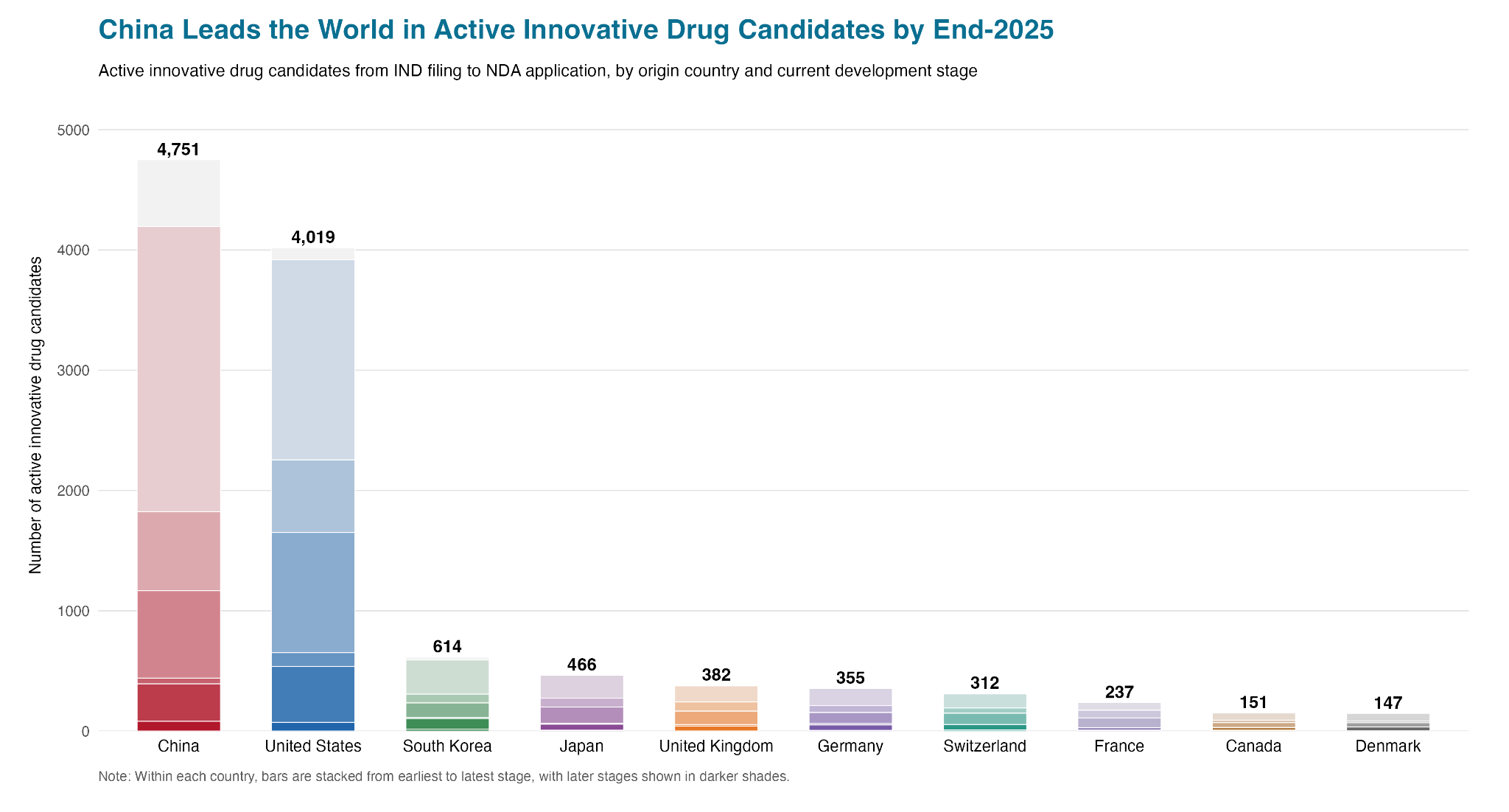
My dissertation is a book project on the turbulent transformation of China's health system and pharmaceutical industry. Anti-corruption campaigns, drug-pricing reforms, and efforts to promote innovation have reshaped public provision and private enterprise. China's emergence as a global leader in novel-drug development is particularly striking amid this unfinished transition and persistent pressure to contain the costs of care.
I ask two questions about China's experience of health reform: What sustains the everyday operation of complex systems? How do organizations adapt while institutional reform is still underway?
I argue that formal institutions alone cannot explain how complex systems operate day to day: indispensable resources and coordination often flow through informal arrangements. Reform can create gaps in support when it removes these arrangements before formal substitutes become usable. Through linked studies of public hospitals and pharmaceutical firms, the book shows that (1) corruption can supply hospitals with informal resources and insider trust, so even well-intended and well-executed anti-corruption reforms can create support gaps by removing these arrangements before formal replacements are available; and (2) cost-containment reforms can similarly remove established support for firms, but access to external alternatives, such as global licensing, can sustain innovation through the resulting gaps. Reform's consequences therefore depend on the informal arrangements it removes, the availability of formal replacements, and organizations' access to external options.
Explore the dissertation
Anti-corruption and hospital provision
Why doesn't successful anti-corruption reform always improve public services? This study shows how drug-linked rents supplied hospitals with resources and created insider trust that supported coordination. When formal substitutes are absent, anti-corruption campaigns can dismantle this support and strain service provision. Reducing corruption does not automatically improve service outcomes.

Reorientation toward innovation
How do pharmaceutical firms respond when cost-containment reform undermines their established business model? This study examines firms' shift toward novel-drug development as procurement reforms compress returns from generic medicines. It documents how reform pressure can prompt reorientation toward innovation even before domestic institutions for commercializing new drugs are fully in place.

Sustaining innovation through global licensing
How do firms sustain innovation when domestic commercialization channels do not yet offer reliable returns? This study proposes global licensing as an alternative source of institutional support. By connecting commercialization abroad with continued R&D at home, licensing helps firms sustain innovation through gaps in domestic support.